What Happens During A Typical Pest Inspection Sydney Appointment?
A pest inspection Sydney appointment is usually a structured, room by room assessment of a property to spot termites, borers, rodents, and conditions that invite them in. They will inspect accessible areas, document findings, explain risks, and outline next steps, often on the same day.
For buyers, owners, and property managers across Sydney, it is a practical way to reduce nasty surprises and protect the building’s value.
What should they do before a pest inspection Sydney booking?
They should make access easy and remove simple barriers so the inspector can see the right areas quickly. This helps the pest inspection Sydney process stay thorough, not rushed.
They can unlock side gates, clear stored items away from walls in the garage, and ensure pets are secured. If there is a manhole, subfloor hatch, or roof access, they should keep it reachable and safe to use.
What happens when the inspector first arrives?
They will usually confirm the booking details, ask about any concerns, and do a quick exterior walk around to set a baseline. This first step guides where they spend extra time during the pest inspection Sydney appointment.
They may ask if there have been past termite treatments, roof leaks, plumbing issues, or recent renovations. If the property is being sold, they may also confirm whether the inspection is for a standalone pest report or bundled with a building inspection.
What do they look for on the outside of the property?
They will check the perimeter for termite entry points, moisture issues, timber to soil contact, and other conditions that raise risk. In Sydney’s climate, shaded damp areas and poor drainage can be common contributors.
During a pest inspection Sydney visit, they often assess garden beds against walls, subfloor ventilation, weep holes, and whether timber structures like decks or fences touch the ground. They may also look for ant activity, rodent burrows, and damaged timbers around window frames and eaves.
What tools and methods do they typically use?
They generally combine visual checks with basic detection tools to improve accuracy. A pest inspection Sydney report is strongest when it is based on both clear evidence and risk indicators.
Common tools include a moisture meter, a torch, a sounding tool for tapping timbers, and sometimes a thermal camera or termite detection device depending on the company. They will also use ladders where safe and permitted, but they will not damage the property to “see inside” sealed areas.
What happens during the internal inspection?
They will inspect each accessible room for signs of pest activity and the conditions pests love. A pest inspection Sydney appointment inside the home often focuses on skirting boards, door frames, window surrounds, wet areas, and any visible timber.
They may check for mudding, blistered paint, hollow sounding timber, pinhole borer damage, droppings, scratching sounds, and odours. Kitchens, laundries, and bathrooms often receive extra attention because moisture and plumbing penetrations can increase risk.
What do they check in the roof space?
They will inspect for evidence of rodents, possums, birds, and termite activity where accessible and safe. Roof spaces can also reveal leaks and condensation, which matter because moisture can attract pests.
In a pest inspection Sydney appointment, they may look for droppings, rub marks, nesting material, damaged insulation, and chewed wiring. They will also check timber trusses and sarking where visible, then note any access limits that affect what they could confirm.
What do they check in the subfloor (if the property has one)?
They will look for termite workings, damp soil, poor ventilation, and structural timbers at risk. Many older Sydney homes have subfloor areas that can hide early termite activity.
During a pest inspection Sydney service, they often check ant caps, bearers and joists, plumbing leaks, and whether stored materials or timber offcuts are left under the house. If access is restricted or unsafe, they will document that clearly because it changes the confidence level of the findings.
What signs of termites and timber pests are they actually trying to confirm?
They are usually trying to confirm active termites, past termite damage, and conditions that make future attack more likely. This is the core purpose of most pest inspection Sydney bookings.
Common termite indicators include mud leads, mud packing, damaged soft timber, and activity near bathrooms or exterior wet zones. Timber borers may show as neat pinholes and fine powdery frass, while fungal decay may appear as darkened, softened, or crumbly timber in persistently damp areas.
What pests are common in Sydney homes, and how are they assessed?
They will assess the “usual suspects” based on the property type and suburb environment, such as proximity to bushland, waterways, or older timber housing. A pest inspection Sydney appointment often prioritises termites first, then rodents, cockroaches, ants, spiders, and sometimes possums.
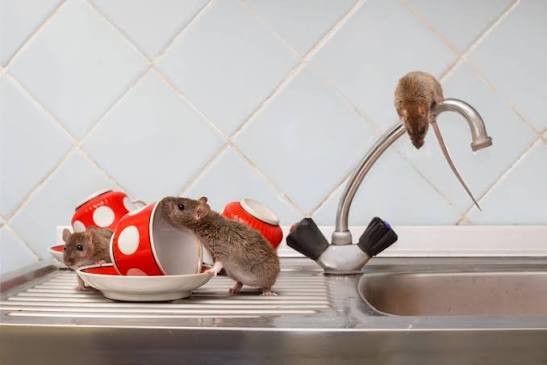
They may not trap or remove animals during an inspection, but they will document evidence like droppings, entry points, and damage. If activity is suspected, they will typically recommend targeted treatment or a specialist follow up.
What happens if they find an active issue on the day?
They will document the evidence, explain what it means, and recommend next steps, often with treatment options. In many cases, they can provide a quote after the pest inspection Sydney visit, but treatment may be scheduled separately.
If termites are suspected, they may advise the occupants not to disturb the area, because interference can cause the colony to relocate and become harder to treat. If rodents are active, they may recommend proofing gaps, improving hygiene, and using a staged baiting or trapping plan.
What will the report include, and how quickly do they receive it?
They usually receive a written report outlining findings, risk factors, and recommendations, often within 24 to 48 hours. For a pest inspection Sydney appointment tied to a property purchase, turnaround is often faster due to contract timelines.
Reports typically include observed evidence, areas inspected, areas not accessible, photos, and risk ratings. They may also include practical maintenance advice, like drainage improvements, ventilation fixes, and recommended inspection intervals.
See Also : When Should You Call An Exterminator Sydney Homeowners Trust?
What limitations should they expect in a standard inspection?
They should expect a non invasive inspection that depends heavily on access and visibility. A pest inspection Sydney service cannot guarantee pests are not present in sealed, obstructed, or unsafe zones.
Heavy storage, low subfloors, tight roof cavities, high ceilings without safe ladder access, and thick wall linings can all reduce what can be confirmed. A good inspector will clearly state these limits so the client can make informed decisions.
How long does a typical appointment take in Sydney?
Most appointments run from 45 minutes to 2 hours, depending on size, access, and property style. A small unit can be quicker, while a multi level home with subfloor and roof access can take longer.
For a pest inspection Sydney booking, time can also increase if they need to explain findings to a buyer or provide risk guidance for ongoing prevention. They should expect a brief walkthrough at the end, especially if issues are found.
What should they ask the inspector before they leave?
They should ask for clarity on urgency, likely causes, and practical next steps, not just a list of problems. This is where a pest inspection Sydney appointment becomes genuinely useful.
Good questions include: Which findings indicate active versus historical activity? What maintenance changes reduce risk fastest? How often should they re inspect? If treatment is recommended, what is the scope, timeframe, and warranty terms?
What happens after the inspection if they want to reduce future risk?
They can use the report as a to do list that targets moisture, access points, and timber vulnerability. In Sydney, small changes like improving drainage and airflow can make a big difference over time.
After a pest inspection Sydney report, they may schedule repairs, remove timber to soil contact, clear weep holes, seal gaps, and consider termite management options like baiting stations or a chemical barrier where appropriate. They should also plan regular re inspections, especially for homes with higher termite pressure zones.
Other Resources : Integrated pest management | naa.gov.au