Do I Need Professional Rat Pest Control or Can I Handle It Myself?
Nobody really plans for a rat problem. It sort of arrives. A scratch in the wall at night, a weird little smear along the skirting board, a bin that looks like it has been argued with. Then comes the big question. Do they call someone, or do they try to sort it out on their own?
This is where rat pest control becomes less of a “quick fix” and more of a decision about risk, time, cost, and honestly, how confident they feel dealing with something that is smart, stubborn, and usually not alone.
Is it actually rats, or could it be something else?
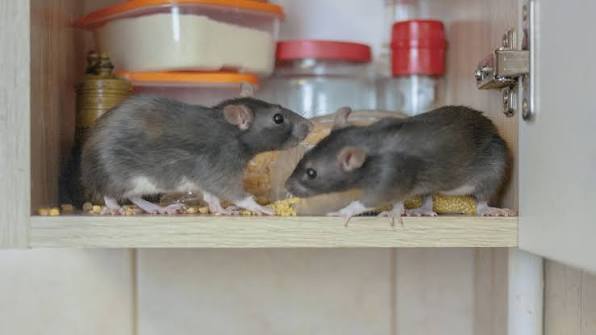
Before jumping into rat pest control, they need to be sure it is rats. Sounds obvious, but plenty of people confuse mice with rats, and the approach changes.
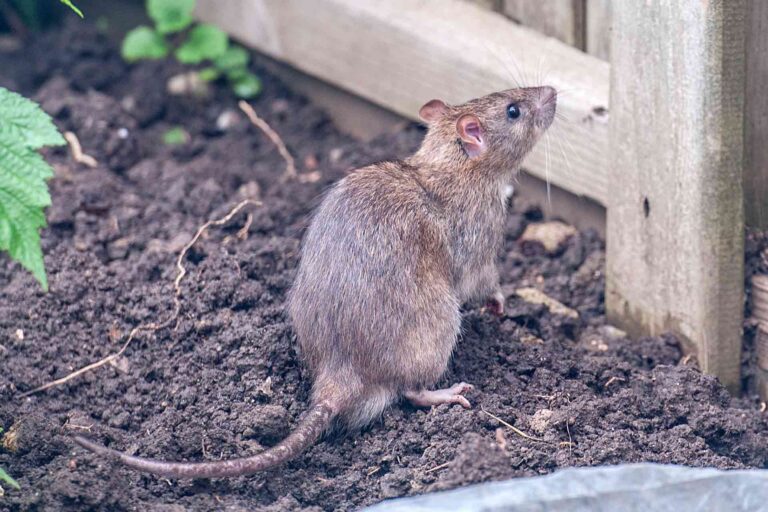
Rats tend to leave larger droppings, louder movement in ceilings or walls, greasy rub marks along edges, and bigger gnaw damage. If there is a strong ammonia smell in a cupboard or loft space, that is another hint. And if they are seeing rats in daylight, that can mean the population is already established.
If the signs feel “a bit much”, it often is.
Can they realistically handle rat pest control themselves?
Sometimes, yes. Rat pest control DIY can work when the problem is small, early, and easy to access. Like a couple of fresh droppings in the shed and an obvious gap under the door. In those cases, basic steps can genuinely solve it.
The DIY route usually looks like this:
- Remove food sources. Pet food, bird seed, compost access, fallen fruit, rubbish.
- Seal entry points. Holes, vents, broken bricks, gaps under doors, pipe penetrations.
- Set traps. Snap traps placed along walls and runways, not randomly in the middle of a room.
- Clean properly. Disinfect droppings and nesting areas safely; don’t just sweep it around.
But here is the catch. Rats learn. They avoid new objects. They can drag traps. They can die in places nobody can reach. DIY rat pest control is less “set and forget” and more ongoing monitoring, adjusting, and staying organised for at least a couple of weeks.
What are the biggest risks of DIY rat pest control?
The biggest risk is not the trap. It is the false sense of success.
A person might catch one rat and think the job is done, while the rest of the nest is still active in the roof void. Or they might use bait in the wrong way, leading to smell issues from dead rats in wall cavities. Or worse, secondary poisoning risk for pets and wildlife if bait is placed carelessly.
There is also the health side. Rats can spread disease through urine, droppings, and contaminated surfaces. Cleaning needs to be done cautiously, with gloves, a mask, and proper disinfectant. If someone is asthmatic or immunocompromised, DIY rat pest control becomes a lot less appealing.
And then there is property damage. Chewed wiring is not rare. It can become expensive fast, and it is not always visible until something stops working.
When does professional rat pest control make more sense?
Professional rat pest control is usually the better call when any of these are true:
- They can hear rats in the walls or ceiling
- Droppings keep returning after cleaning
- There is evidence of nesting (shredded insulation, stored food, burrows)
- They have pets or small children and do not want bait risks
- They have a recurring problem, especially in older homes
- They have no idea where the rats are getting in
Pros do not just place traps. The good ones inspect, identify entry points, assess the level of infestation, and set up a plan that actually fits the property. They can also advise on proofing in a way that stops the cycle.
In many cases, professional rat pest control ends up cheaper than repeated DIY attempts plus repairs, plus time lost. Not always, but often.
What does professional rat pest control usually involve?
Most professional rat pest control starts with an inspection. They look for runways, droppings, rub marks, gnawing, entry points, and harbourage spots. Then they decide on a strategy.
That might include trapping, baiting in secured stations, roof void placement, and follow-up visits. Many will also recommend exclusion work, like sealing gaps and improving access points around pipes, vents, and subfloors. And they usually tell the household what to change because leaving food sources around makes any rat pest control harder.
It is not glamorous. It is practical. And it is often more thorough than a weekend DIY effort.
How can they decide based on cost and effort?
Cost is usually the thing people fixate on, but effort and risk matter just as much.
DIY rat pest control can look cheap upfront. A few traps, some steel wool, maybe a door sweep. But if they are buying multiple rounds of gear, replacing ruined pantry items, and still hearing scratching at 2 am, it becomes expensive in a different way.
Professional rat pest control costs more upfront, but it is structured. They get a plan, not just products. And they get accountability. If the rats come back within the service period, there is often follow-up.
A useful way to think about it is this: if they are confident they can find the entry point and they are seeing light signs, DIY can be fine. If they are guessing or it feels established, professional rat pest control is usually the safer bet.

What should they do right now if they suspect rats?
Even before choosing DIY or professional rat pest control, there are a few smart moves they can do immediately:
- Put all food in sealed containers, including pet food
- Clean up crumbs and spills, especially under appliances
- Take rubbish out regularly and keep bins sealed
- Check for gaps around pipes, doors, and vents
- Stop feeding birds near the house for a while
- Document signs, where droppings are found, what noises happen and when
This helps either way. It makes DIY rat pest control more likely to work, and it makes professional rat pest control faster and more targeted.
So, do they need professional rat pest control or can they handle it?
If the issue is small, early, and they can clearly identify access points, DIY rat pest control can work. But if there are repeated signs, noises in the structure, health concerns, pets, or any sense that the rats are established, professional rat pest control is usually the smarter option.
Rats do not tend to “just leave” because someone hopes they will. Rat pest control is about removing them and making the property less attractive so they cannot easily return. And that last part, the prevention side, is where many DIY attempts fall apart.
If they want the fastest, most reliable outcome, professional rat pest control is the straightforward path. If they want to try themselves, they need to treat it like a proper project, not a quick guess with one trap in the corner.
More to read: Simple Ways to Find the Best Green Waste Removal Near Me Options