
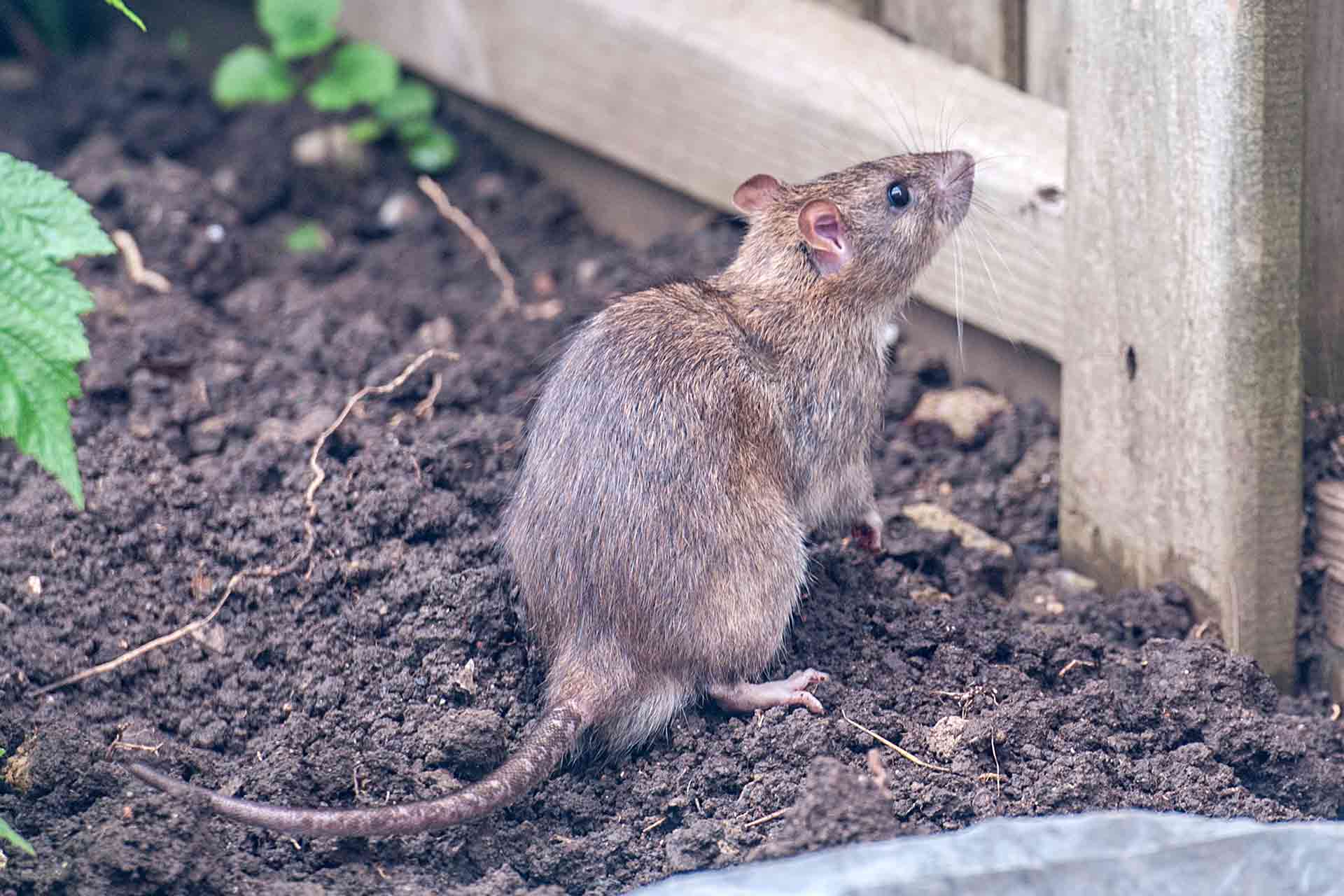
5 Mistakes Homeowners Make When Trying to Exterminate Rats
Most people only notice a rat problem once it has already turned into a proper mess. Scratching in the walls. Droppings in a cupboard. A weird smell that comes and goes. And then the panic buying starts. Traps, bait blocks, random sprays. Anything that sounds like it will work tonight.
The catch is, a lot of what homeowners do in that first week makes the whole situation harder. Not always obvious either. It feels like progress, but it can actually push the rodents deeper into the house or teach them to avoid the control methods.
Below are five common mistakes, in plain language, that come up again and again when homeowners try to exterminate rats.
Why do they start with poison before finding the entry points?
This is probably the biggest one. They put down bait, then wait. Maybe they even see nibble marks and think, done. But if the gaps and entry points are still open, new rats can keep coming in, and the old ones can keep moving around.
When homeowners try to exterminate rats without sealing access, they are basically running a never-ending cycle. Rats can squeeze through holes not much bigger than a 20 pence coin. Around pipes, under doors, cracked vents, gaps in eaves. The list is longer than people think.
Even worse, poison can send rats looking for water. Sometimes that means dying in a wall cavity or under flooring. Then the smell becomes the next problem, and it can hang around for weeks.
To exterminate rats properly, they need to treat exclusion as the first job. Find where they are getting in. Seal it with appropriate materials, not soft foam that gets chewed out in a night. If they do not, every other step is just a band-aid.
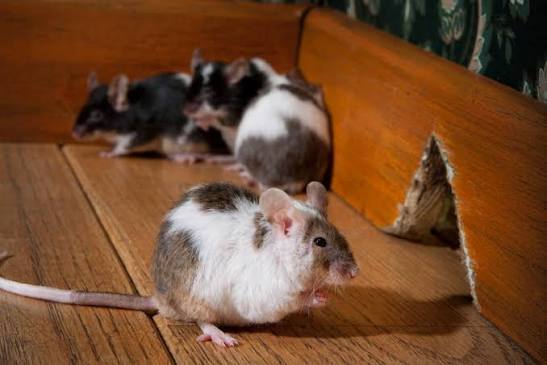
Why do they place traps randomly instead of where rats actually travel?
There is a very specific way rats move through a home. They hug walls. They follow edges. They use the same runways. They do not usually sprint across the middle of an open kitchen like in a cartoon.
So when homeowners try to exterminate rats by putting a trap in the centre of a room, or tucked in a spot that feels “out of the way”, it often does nothing. Then they decide traps “do not work”. They do. The placement was just wrong.
Traps should usually be set along walls, behind appliances, near obvious droppings, and close to entry points. And they should be set in multiples, because rats are cautious and they do not all behave the same way.
If the goal is to exterminate rats, the trap setup needs to match rat behaviour, not human convenience.
Why do they clean up droppings but ignore the food and nesting sources?
Many homeowners do a big clean and feel relieved, and sure, hygiene matters. But a rat problem is not just about mess. It is about resources. Food, water, shelter.
If they keep pet food in a thin bag in the laundry, or leave fruit on the bench overnight, or have a chicken coop with spilled feed, rats are going to treat that like a buffet. If there is clutter in a garage, old boxes, insulation, spare fabric, that is nesting material.
When homeowners try to exterminate rats while leaving the easy food and shelter in place, they are fighting uphill. Rats do not need much. A little bit of food every night is enough.
To exterminate rats, they need to tighten up food storage, clean up spills properly, secure bins, and reduce harbourage. It sounds boring, but it changes the whole playing field.

Why do they underestimate how quickly rats learn and avoid danger?
Rats are not stupid. If they see a mate get caught in a trap, or if they become ill after nibbling bait, they can become wary. This is where people get stuck in that frustrating phase. They know the rats are there, but nothing is getting caught anymore.
Homeowners often try to exterminate rats by using the same bait, the same type of trap, in the same spot, night after night. It becomes predictable. Rats avoid it, or they only take tiny amounts.
This is why rotating bait types can matter, and why pre-baiting sometimes works, where traps are set but not armed for a day or two. It is also why a mix of control methods is usually better than betting everything on one product.
If they truly want to exterminate rats, they need to assume the rats will adapt, because they do.
Why do they ignore the wider property and only treat inside the house?

A lot of rat issues are not just an indoor problem. The rats are often living outside, then coming in for food or warmth. Dense gardens, compost, stored timber, overflowing bins, broken drains, sheds full of clutter. If those areas stay rat-friendly, new rats replace the ones removed.
When homeowners try to exterminate rats but only focus on the kitchen, they are missing the bigger picture. It becomes a revolving door. They might get one or two, then activity returns.
To exterminate rats for good, they need to make the property less inviting. Trim vegetation away from the house, keep lids on bins, manage compost properly, fix gaps under sheds, and deal with any water sources.
Sometimes the most effective rat control is what happens outside, not the trap they put under the sink.
A quick wrap up
Most homeowners are not lazy, they are just in a rush. And fair enough. Rats are stressful. But if they want to exterminate rats, the plan has to be a bit more deliberate.
Seal entry points first. Place traps where rats travel. Remove food and nesting sources. Expect rats to learn. Treat the whole property, not just one room.
And if the activity is heavy, or there is scratching in wall cavities and roof spaces, it is usually worth calling a licensed pest controller. Not because homeowners cannot exterminate rats, but because sometimes it takes pro-grade methods and a trained eye to finish it properly.